
Some materials arrive with a story already woven into them.
Our mixed yarn is one of them.
Used in pieces like the Sporran Bag and the Hillary Backpack, this yarn begins its journey as leftover material from textile production. Fibers that might otherwise be forgotten are gathered, blended, and reimagined into something useful and enduring.
This is where sustainability quietly takes shape.
Where the Yarn Comes From
We source our mixed yarn from Bedi Investment Limited, a Kenyan textile manufacturer that works with surplus yarns from their production process. Rather than allowing these remnants to go to waste, they are repurposed into mixed yarn blends, each one slightly different, each one carrying its own character.
The result is a yarn that is honest and unforced. No two batches are exactly the same, and that variation is part of the beauty.
Why We Choose Mixed Yarn
Choosing mixed yarn is a deliberate decision. It allows us to work with what already exists, reducing waste before it has a chance to accumulate. It also means fewer new resources are required, less energy is used, and materials stay in circulation for longer.
This approach mirrors the way we think about design as a whole: practical, thoughtful, and rooted in respect for materials.
What It Means for the Bag You Carry
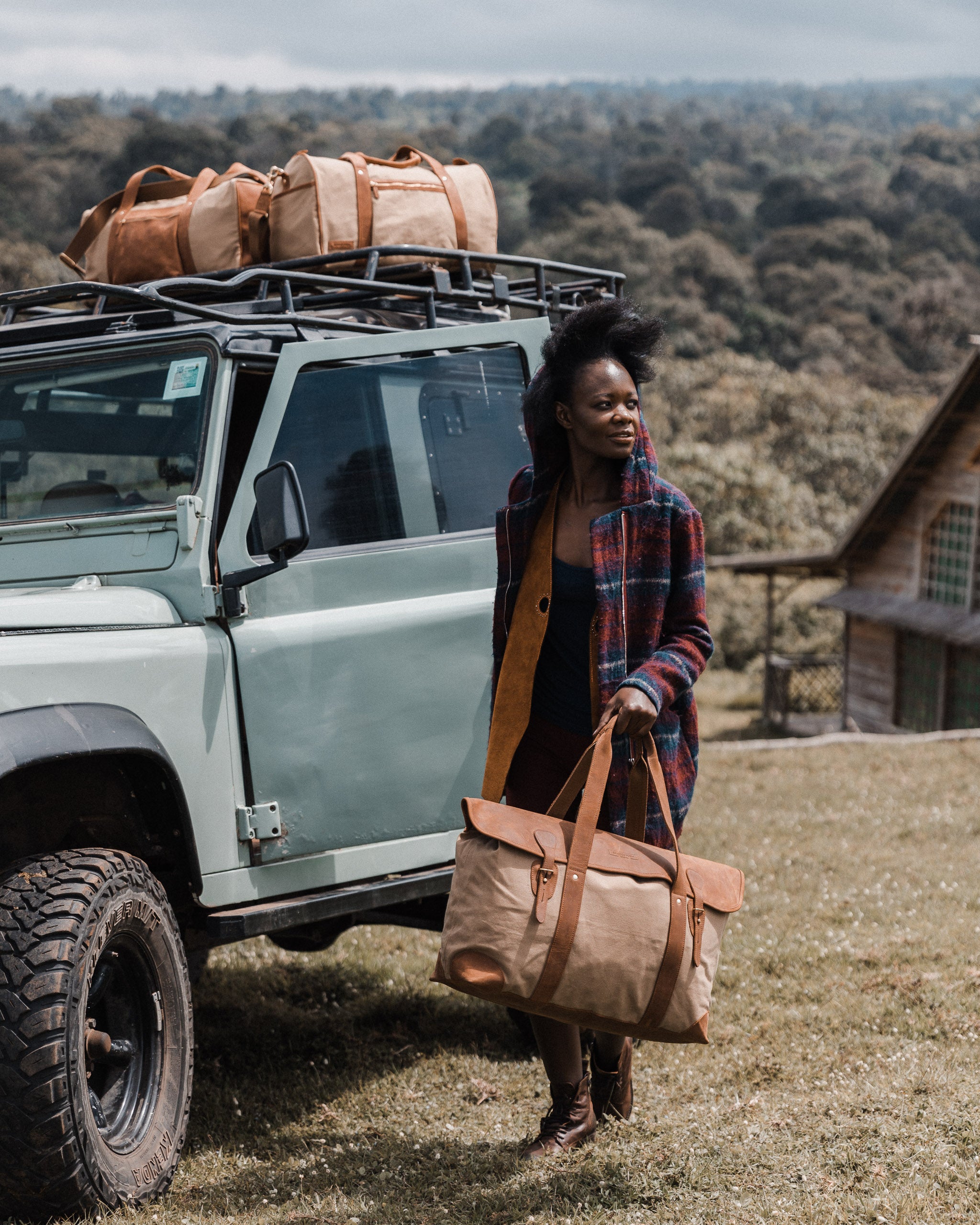
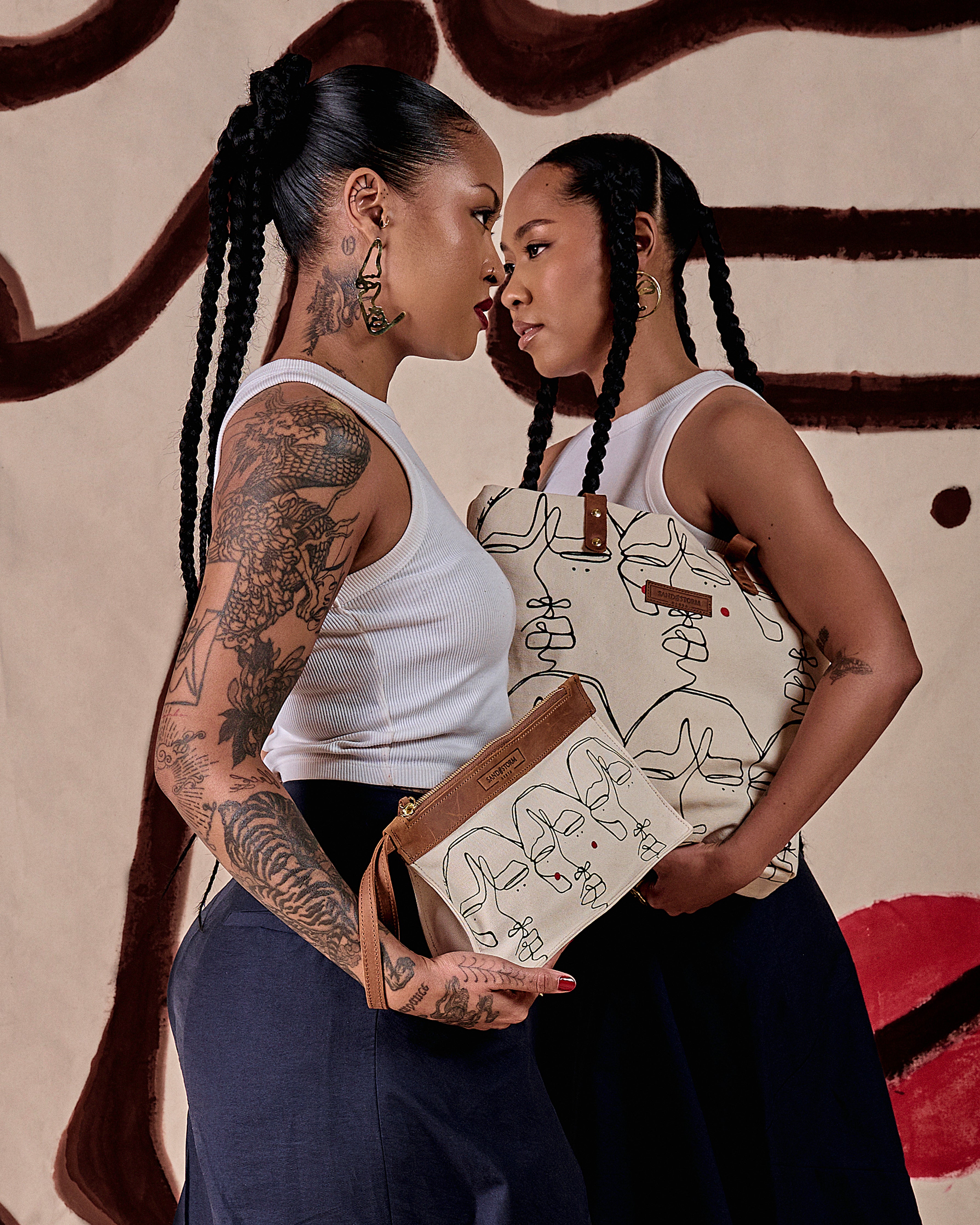
When you carry a Sporran Bag or a Hillary Backpack made with mixed yarn, you are carrying more than a finished product. You are carrying a piece shaped by reuse, care, and intention.
The yarn’s subtle variations give each bag its own presence. The process behind it ensures that what you carry has been made with awareness of its impact.
Sustainability does not always need to announce itself. Sometimes it is found in small, considered choices: using what is already there, valuing leftovers, and letting materials guide the design.
Mixed yarn allows us to do exactly that. It turns excess into opportunity and transforms remnants into something lasting.